
The Circus Doc Blog
Safely Returning to Circus and Aerial Training Part 2
Part 2 Strategies How to return to your circus self Congratulations! You did it! You made it through quarantine, and you have been cleared to get back into the studio. But, where to start? We've talked about why it is important to avoid over-training after being...
Circus and Aerial Training After COVID-19 Quarantine Part 1
Part 1 Considerations Who was your pandemic circus self? Many of us found that our love for circus training had to change during the pandemic, and we became different versions of our circus-selves. Are you the aerialist who turned to hand balancing? The wire walker...
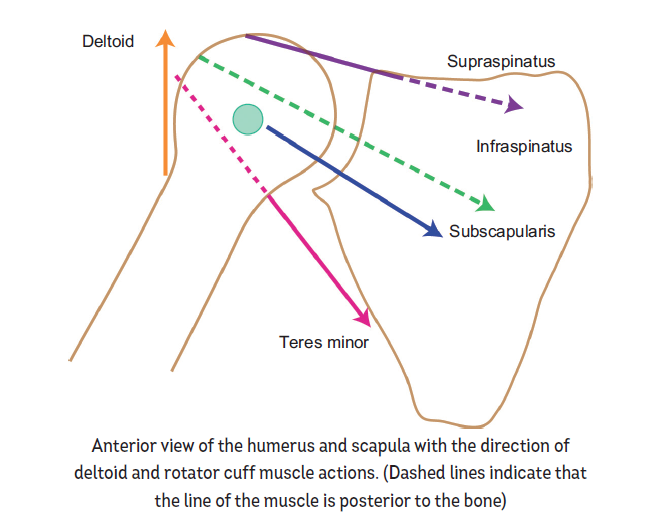
Using Your Rotator Cuff for Stable Strong Shoulders
Get more out of your shoulders by keeping your rotator cuff activated when you train. Everyone wants strong rotator cuff muscles, but do we all understand WHY? Applied Anatomy of Aerial Arts Your rotator cuff is a group of muscles that stabilize your shoulder joint....
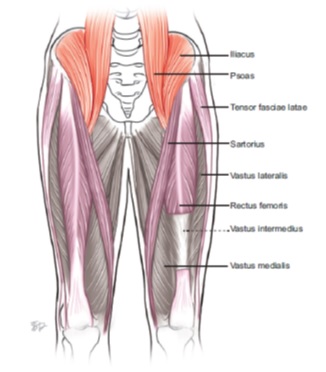
Conquer Your Micro-Bend – Strength and Control
Do you have plenty of flexibility, but still have a micro-bend in your leg? What’s going on and what can you do?!? As always, I like to start with the basics. Let’s look at the anatomy to understand how we lift our legs and why it can be so darn hard to lift them...
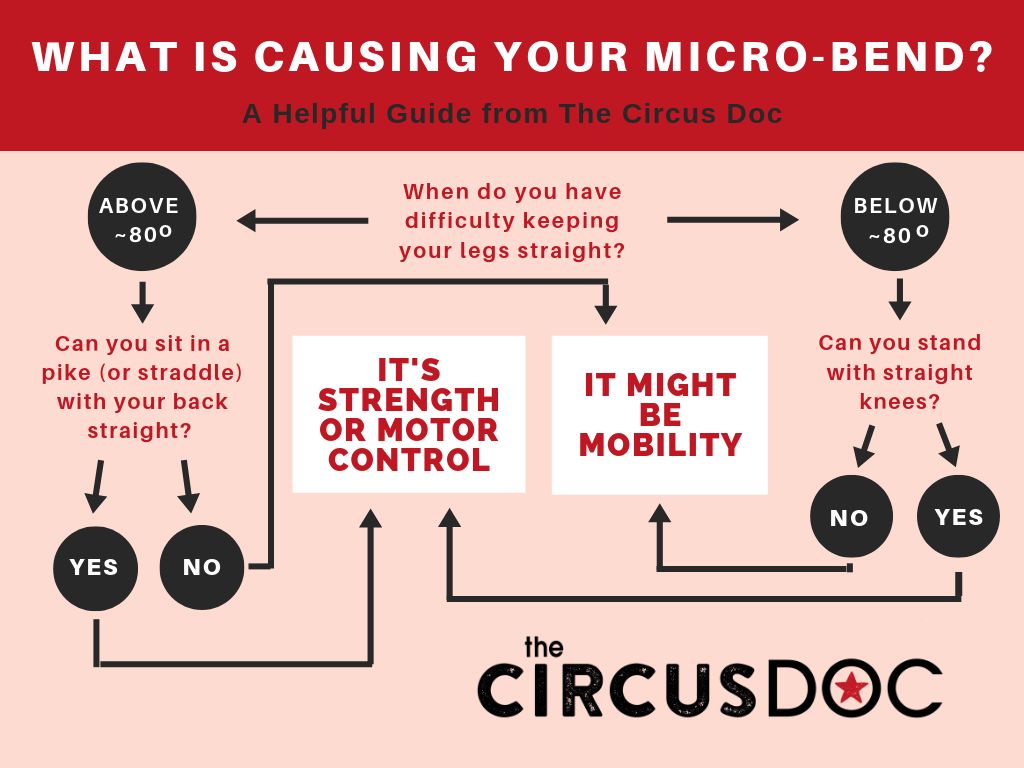
Conquer Your Micro Bend – Is it Mobility?
The Secret to Conquering your Micro-bend So, you can point your toes and straighten your legs, but when you start to lift them up… the dreaded micro-bend occurs. WHY?!? No matter how hard you are thinking about it and how much of your focus is on it if you still can’t...
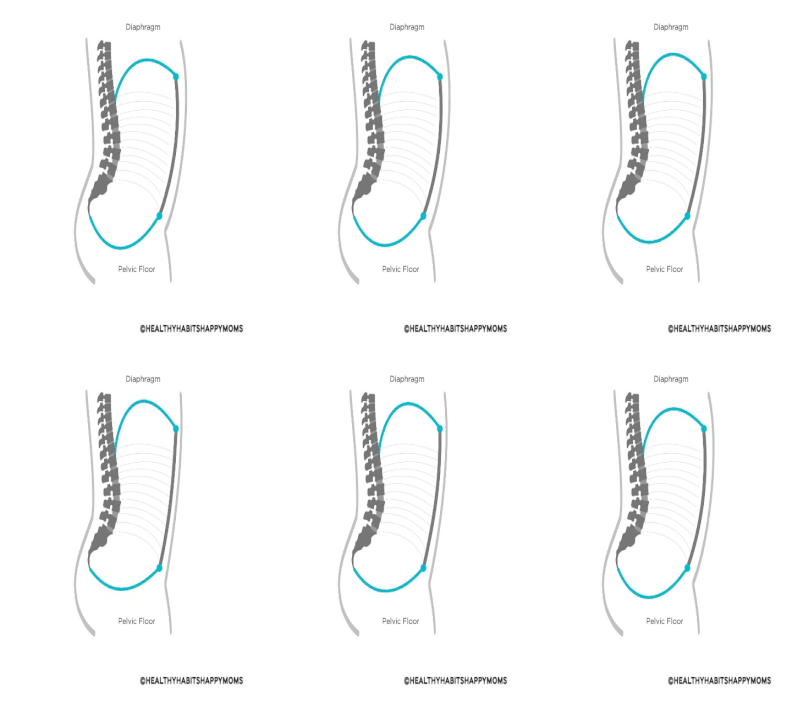
Strong core? Don’t forget your pelvic floor!
Coaches are constantly talking about "engaging your core" but why is it important? And what the heck is your "core" made up of? The middle of our body, below our ribs and above our pelvis, has less bony structure than the rest of our body. We have a spine in the back...
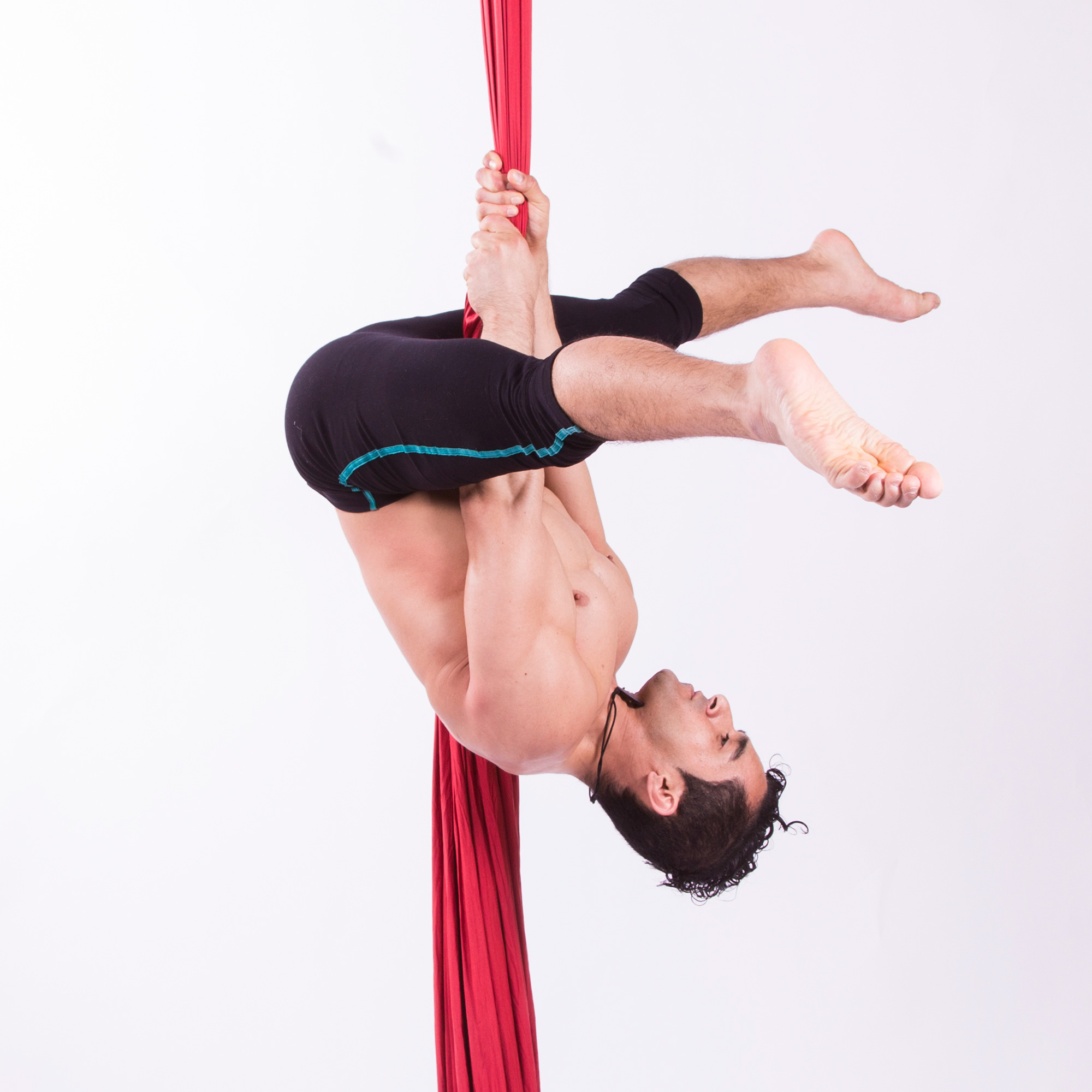
For a Better Grip, Start with the Shoulder
Do you feel like your grip strength isn't up to your level of training? If you have been an aerialist for a while and feel like your grip and forearms fatigue quickly, it might be worth looking at your shoulder strength, and especially at your rotator cuff....
Circus Injury Survey
When I speak to other healthcare professionals about circus artists (once they figure out the difference between a trapeze and a trampoline) they always want to know what kinds of injuries circus artist have. They also assume that injury rates are much higher in...
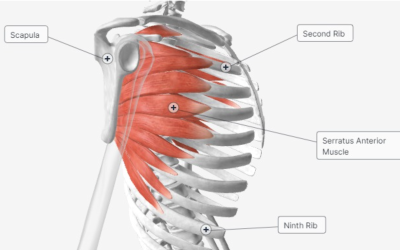
Push and Pull: Balancing Circus Shoulder Strength
A conversation over on Facebook about warming up had me reviewing my post from waaaay back in February on warm ups. It reminded me that I was remiss in not emphasizing my love of working oppositional muscles to improve the balance of muscle pull on a joint. That means...
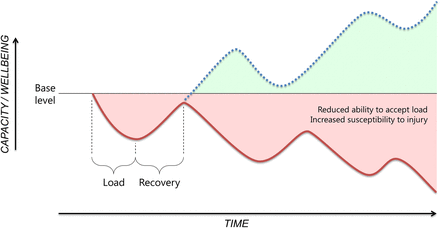
How much is too much? What the International Olympic Committee thinks about your training habits
This month the International Olympic Committee (IOC) put out a consensus statement about "load management" and its relationship to major risk factors for injury in elite athletes. In my mind, performers are the ultimate athletes able to combine strength, grace,...